The Step-by-Step Walkthrough That Determines How Much a Fix and Flip Will Cost.
One of the biggest mistakes new real-estate investors make is guessing renovation costs. Numbers get thrown around, spreadsheets look official, and then suddenly the project goes way over budget.
The truth is, accurate fix-and-flip costs don’t come from online calculators. They come from a structured walkthrough process with the right people, in the right order.
Here’s exactly what that walkthrough looks like in the real world.
Step 1: Your First Walkthrough
This is your first time through the property, and it’s just you.
Your goal here is not pricing, it’s awareness.
What you’re looking for:
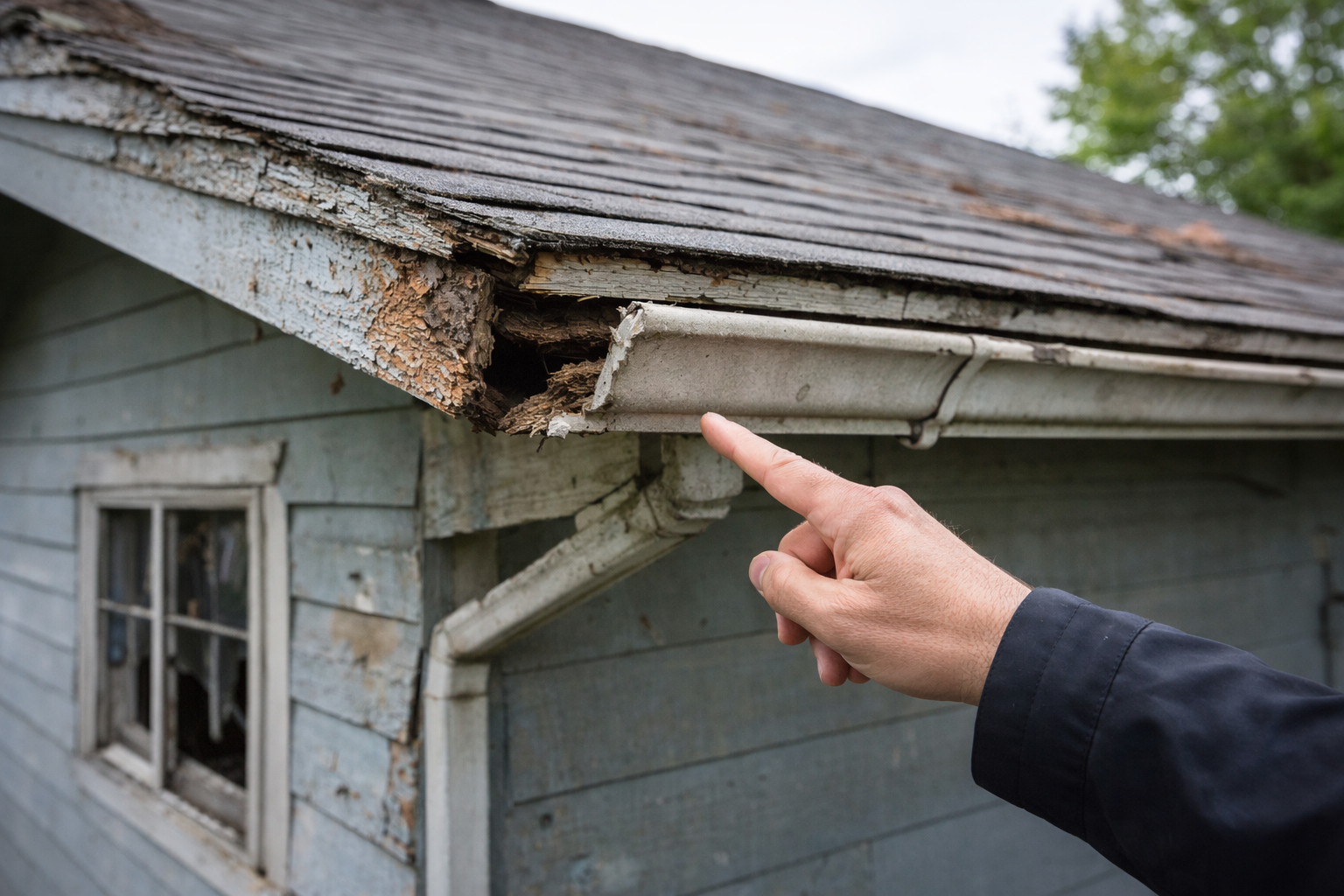
Roof condition (missing shingles, sagging, age)
Floor damage, soft spots, stains
Kitchen and bathroom layout (keep or gut?)
Old windows, doors, and trim
Smells, moisture, or visible mold
General layout or flow issues
What you should be doing:
Taking photos and short videos
Walking every room, plus attic, basement, and exterior
Writing a rough Scope of Work list
Think of this step as dumping everything onto paper. You’ll refine it later.
Step 2: Second Walkthrough — Finding Hidden Problems
Next comes the walkthrough that protects you from expensive surprises.
This is usually done with a home inspector or a very experienced contractor.
What often gets uncovered:
Foundation cracks or signs of movement
Outdated or unsafe electrical systems
Plumbing leaks or failing drain lines
Moisture intrusion or ventilation problems
Structural red flags you can’t see at first glance
These issues can dramatically change your budget.
At this stage, you’re updating your scope with notes like:
“Possible foundation issue, needs contractor or engineer review.”
This step alone can save you tens of thousands of dollars.
Step 3: Third Walkthrough — General Contractor Pricing
Now the numbers start getting real.
Your general contractor walks the property with your scope and:
Verifies what’s realistic
Identifies missing scope items
Mentally sequences the entire renovation
Conversations often sound like:
“If you open this wall, electrical will need updating.”
“That bathroom is a full gut, not cosmetic.”
“The roof is past repair, plan on replacement.”
By the end of this walkthrough, you should have:
A ballpark renovation total
Notes on complexity and schedule
This becomes your baseline budget.
Step 4: Focused Walkthroughs — Subcontractor Accuracy
To tighten your numbers, key subcontractors are brought in for short, focused walkthroughs.
Common trades involved:
Electrician – panel upgrades, rewiring, fixture counts
Plumber – supply lines, drains, water heaters
HVAC technician – system age, ductwork, replacement needs
Even rough numbers from subcontractors can:
Confirm your contractor’s estimate
Reveal underbudgeted areas
Reduce change orders later
This step adds accuracy and confidence to your budget.
Step 5: Materials & Finish Decisions
This is where budgets are either locked in, or blown apart.
You don’t need luxury finishes. You need market-appropriate selections.
Decisions made here include:
Cabinet type (stock vs semi-custom)
Flooring (LVP, hardwood, tile)
Countertops (granite vs quartz)
Plumbing and lighting fixtures
The rule is simple:
If finishes aren’t selected, costs aren’t real.
Once materials are chosen, pricing becomes far more predictable.
Step 6: Realtor Walkthrough — Resale Reality Check
An investor-friendly real estate agent helps align renovation costs with resale value.
They help answer questions like:
What must be fixed to sell?
What upgrades won’t increase value?
Where can costs be reduced without hurting ARV?
This step protects you from over-improving the property and cutting into your profit margin.
Step 7: Final Step — You and the Spreadsheet
Now everything comes together.
Your final budget should include:
Renovation costs
Material totals
Permits and inspections
Dumpster and cleanup
Insurance
Contingency (10–20%)
Holding and closing costs
This final number determines:
Your maximum offer price
Your financing strategy
Whether the deal is worth pursuing
If the numbers don’t work here, they won’t work in real life.
“Suppose one of you wants to build a tower. Won’t you first sit down and estimate the cost to see if you have enough money to complete it? — Luke 14:28